Protective dental interventions help reduce the risk of tooth decay and maintain the health of children’s developing teeth. At Toothfairy’s Dental Home, Dr. Deepti Musmade offers preventive treatments such as professional fluoride applications and dental sealants to protect newly erupted teeth. These treatments are selected according to each child’s age, dental development, and individual cavity risk, helping support long-term oral health.
– Professional Fluoride Applications: Fluoride treatments, including varnish applications, help strengthen tooth enamel and improve its resistance to acid attacks. These treatments may be recommended according to a child’s cavity risk and dental health requirements.
– Fluoride Varnish Treatment: A professionally applied fluoride coating that helps protect vulnerable tooth surfaces and supports enamel remineralisation. It is a quick, age-appropriate preventive option for children at risk of dental decay.
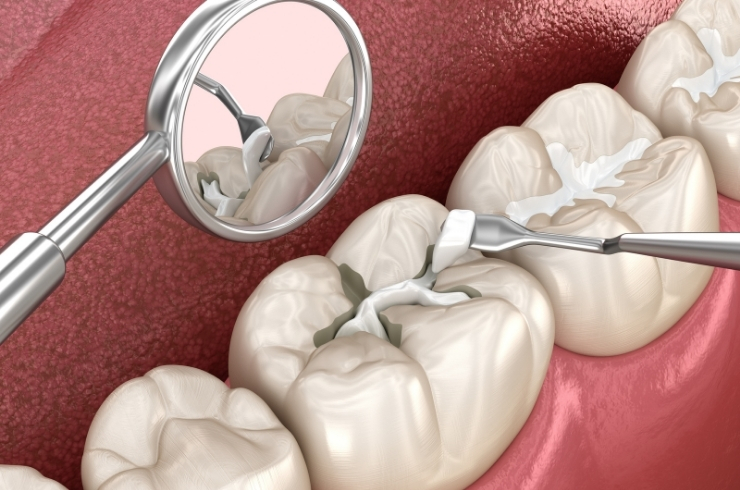
– Dental Sealants: Thin protective coatings applied to the grooves and pits of back teeth, particularly newly erupted molars, to help prevent food particles and bacteria from collecting in areas that are difficult to clean.
– Cavity Prevention Guidance: Personalized recommendations on maintaining oral hygiene, choosing healthy foods, and following preventive dental routines to support the effectiveness of protective treatments and reduce cavity risk.
Preventive interventions can help safeguard children’s teeth during important stages of dental development. Potential benefits include:
Strengthening tooth enamel and supporting its resistance to decay.
Reducing the risk of cavities in vulnerable teeth.
Protecting newly erupted permanent molars with dental sealants.
Supporting enamel remineralisation through professional fluoride applications.
Protecting difficult-to-clean grooves and surfaces of back teeth.
Encouraging better long-term oral health and preventive habits.
Supporting healthy dental development through age-appropriate preventive care.